Category: Israel Society
-
Israeli Harmony
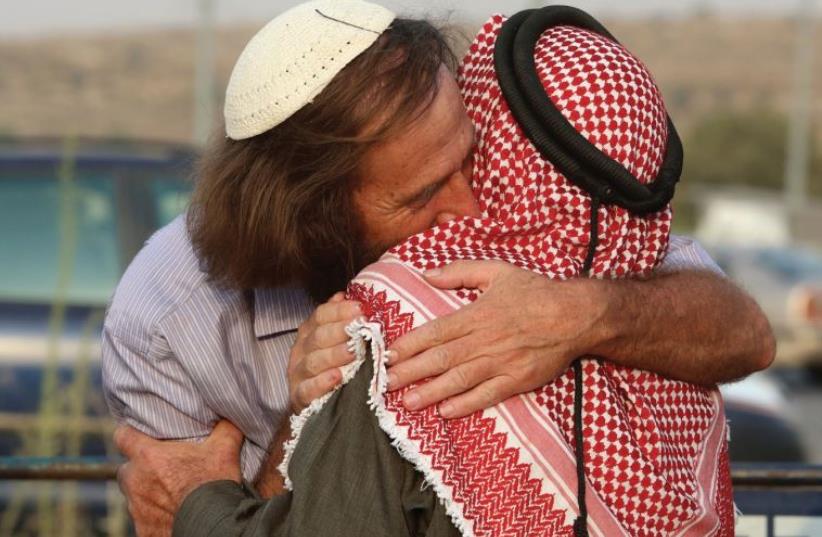
Israel may be a small country, but its population? A vast mosaic of cultures, religions, and traditions for more than 10 million people. Alongside the Jewish majority live Arabs – Muslims, Christians, and Druze – as well as other communities like Bedouins, Circassians, and Samaritans. Each group has its unique identity, yet all are an integral part of Israeli society, having freedom of religion, political representation, and full legal rights.
**Israeli Society Composition – 10 Million Residents:**
**Jews** comprise about 77% of the population and are divided into various groups – Mizrahi and Ashkenazi, Ultra-Orthodox, Religious, Secular, and more. Each group brings its own culture, tradition, and unique view of life in the country.
**Arabs** make up about 21% of the population, including Muslims, Christians, and Druze, who bring their unique culture and traditions. Large Arab population centers are mainly in the north of the country, Haifa, and Jerusalem, but there are also Arab populations in central Israel and the south. Within the Arab sector, there are also small groups like the Circassians (about 4,000 people) and Bedouins (about 150,000 people).
**Others** – There are also about 2.1% of residents who don’t belong to any of the above groups. These include people like Samaritans, Armenians, non-Arab Christians, and others.
**About the Arab Population in Israel:** The Arab population in Israel has experienced ups and downs over the years. In 1948, many left following the establishment of the state, but over time, Israel allowed about 200,000 Arabs to return and settle within its borders. Since then, hundreds of thousands of Arabs were granted citizenship in Israel, mainly through family reunification.
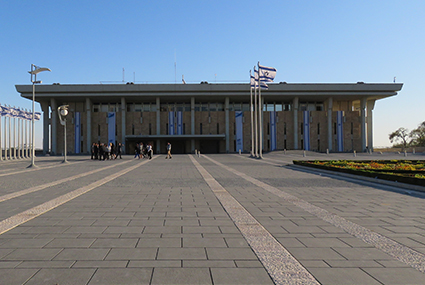
**Representation in the Knesset and Politics:** While considered a minority in Israel, Arabs enjoy significant representation in the Knesset. Today, Arab members of Knesset represent various opinions, parties, and political views – from Arab national movements to parties promoting Jewish-Arab integration and cooperation. Additionally, Arab professionals serve in the justice system, public service, security services, and many other fields.
**Culture, Religion, and Coexistence:** Israeli cities reflect the immense diversity of society – Jewish cities, Arab cities, and mixed cities, each maintaining its unique character. Throughout the country, there are 252 mosques alongside 61 churches and monasteries, a testament to Israel’s multiculturalism. Freedom of religion is a protected principle by law, and the rights of Muslims and Christians are fully preserved. On the Temple Mount, for example, there are restrictions on Jewish visits to respect the site’s sanctity for Muslims. In daily life, Muslim workers are entitled to holidays during their festivals, such as Eid al-Fitr and Eid al-Adha, and the education system is adapted to their language and culture.
**Progress and Reducing Gaps:** Israel invests in developing Arab communities, and infrastructure, and integrating minority populations into the workforce. Various programs help Arabs integrate into advanced industries like high-tech, medicine, and education. When you add higher education – where about 20% of students are Arabs – you understand this is a promising path to a better future for everyone.
In the international arena, accusations of racism or even “genocide” against Arabs are often throwen at Israel. However, the reality on the ground is the complete opposite. Israel is a country that promotes equality, rights, and coexistence for all its residents—Jews, Muslims, Christians, Druze, and others. The diversity, integration, and efforts to bridge gaps are proof that in our small country, there is a daily effort to show that a different way is possible.